Crop Diseases with Educational Resources
Understanding Crop Diseases
A comprehensive guide to common crop diseases and their management. Includes references for wheat, maize, and soybean diseases.
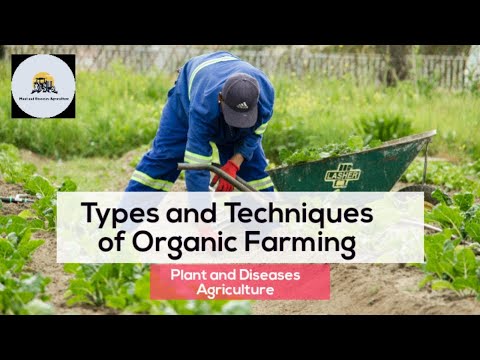
Learn MoreOrganic Treatments for Crop Diseases
Explore organic and natural treatment methods for various crop diseases. Detailed information on managing diseases in vegetables, fruits, and grains.
Learn MoreUsing AI in Agriculture
Learn how AI is revolutionizing the agriculture industry. Focuses on AI applications in monitoring and managing diseases in various crops, including rice and potatoes.
Learn MoreDisease Management for Wheat Crops
An in-depth guide to common diseases in wheat crops and effective management strategies. Includes information on Fusarium head blight and wheat rust.
Learn MoreSoybean Disease Management
Resource on soybean diseases like soybean rust and white mold, including integrated management practices and resistance strategies.
Learn MoreMaize Crop Health
Focuses on diseases affecting maize, such as maize leaf blight and northern corn leaf blight, with strategies for prevention and control.
Learn More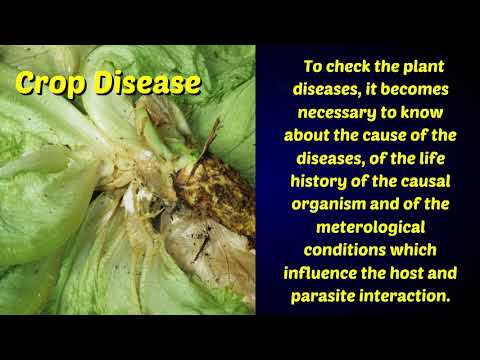

Frequently Asked Questions (FAQs)
Crop diseases are typically caused by pathogens such as fungi, bacteria, viruses, and nematodes. Environmental factors like poor soil conditions, excessive moisture, and temperature fluctuations can also contribute to the spread of diseases.
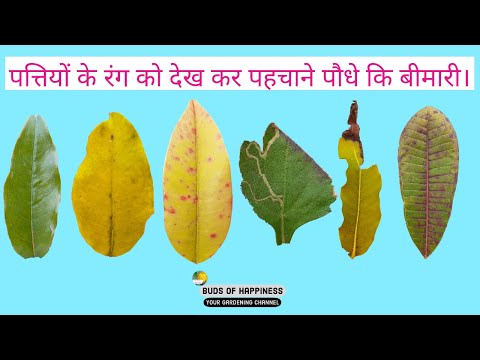
Common signs of crop diseases include discoloration, wilting, spots on leaves, stunted growth, and abnormal development. Early identification is crucial for effective management.
Natural methods include crop rotation, using disease-resistant crop varieties, applying organic fungicides, and encouraging beneficial insects that can help control disease-spreading pests.
Yes, many crop diseases can spread through water, wind, soil, insects, or contaminated tools. It's important to implement good hygiene practices and proper crop spacing to minimize the risk of spreading diseases.
Preventative measures include selecting resistant crop varieties, ensuring proper soil health, rotating crops, practicing good irrigation management, and maintaining proper plant spacing to reduce humidity around plants.
Yes, modern technologies such as drones, AI-based disease detection tools, and mobile apps can help farmers monitor crop health, detect early signs of diseases, and manage them more efficiently.